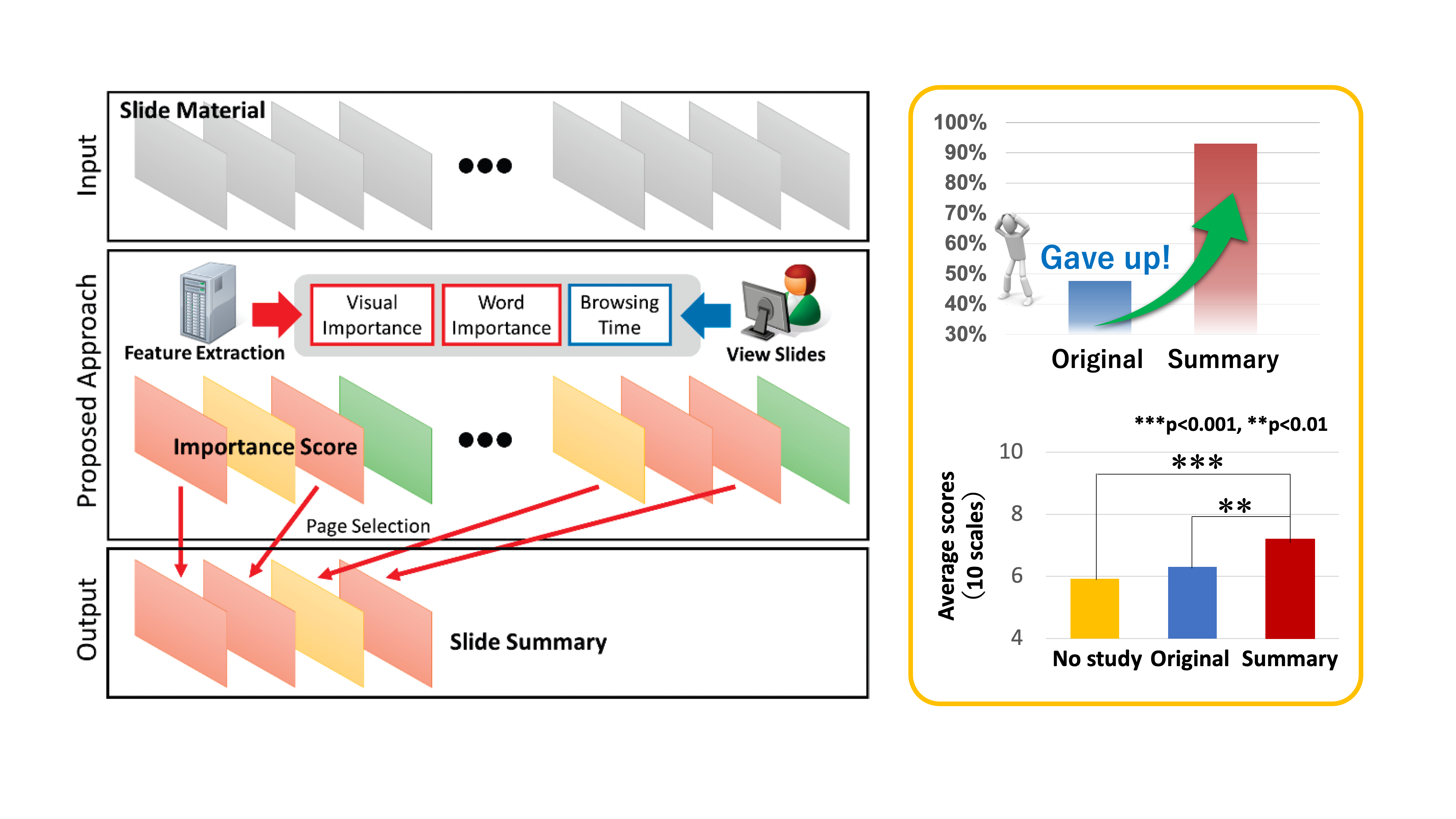
Analytics of Lecture and Learning Materials
This research analyzes lecture and learning materials to reveal their content structure and relationships with learners' activities and understanding.
This research analyzes lecture and learning materials to reveal their content structure and relationships with learners' activities and understanding.
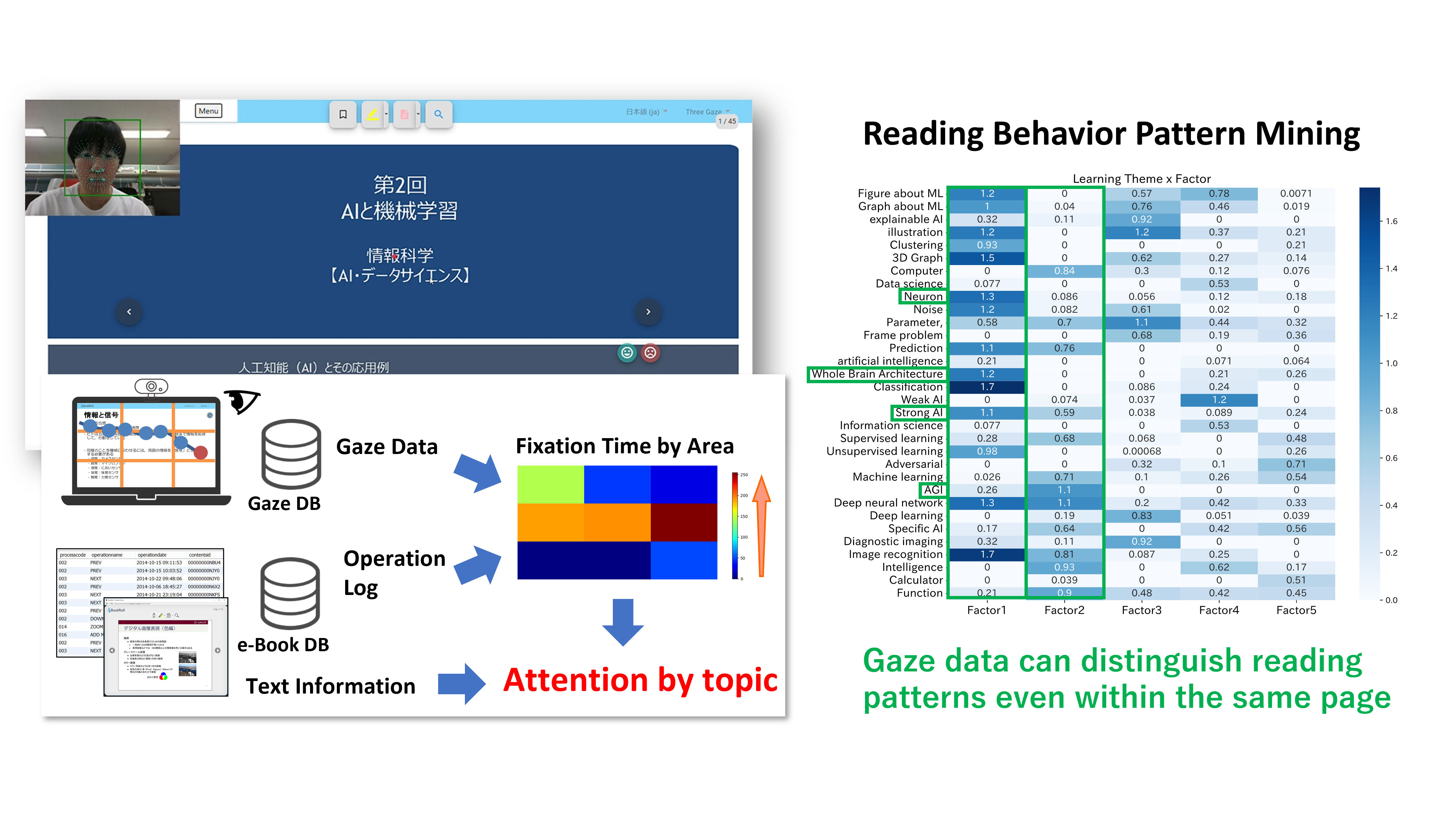
We integrate e-book interaction logs, gaze data, and learning content to analyze fine-grained learning behavior patterns based on topic-level attention and reading activities.
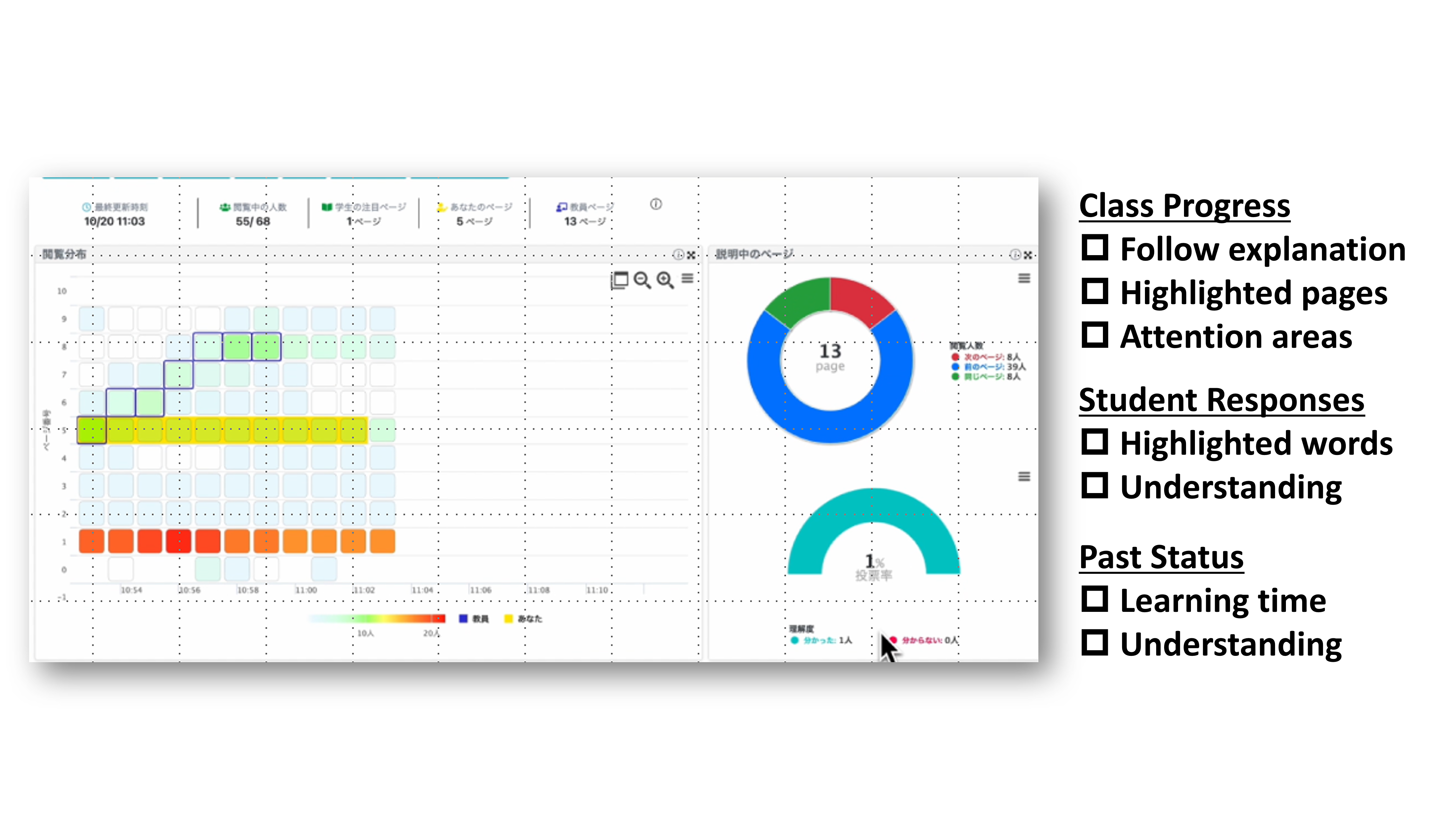
We analyze learners' interactions with digital learning materials in real time to help teachers immediately understand how well students are following the explanation, which content attracts attention, and where difficulties in understanding may arise, enabling adaptive classroom instruction.
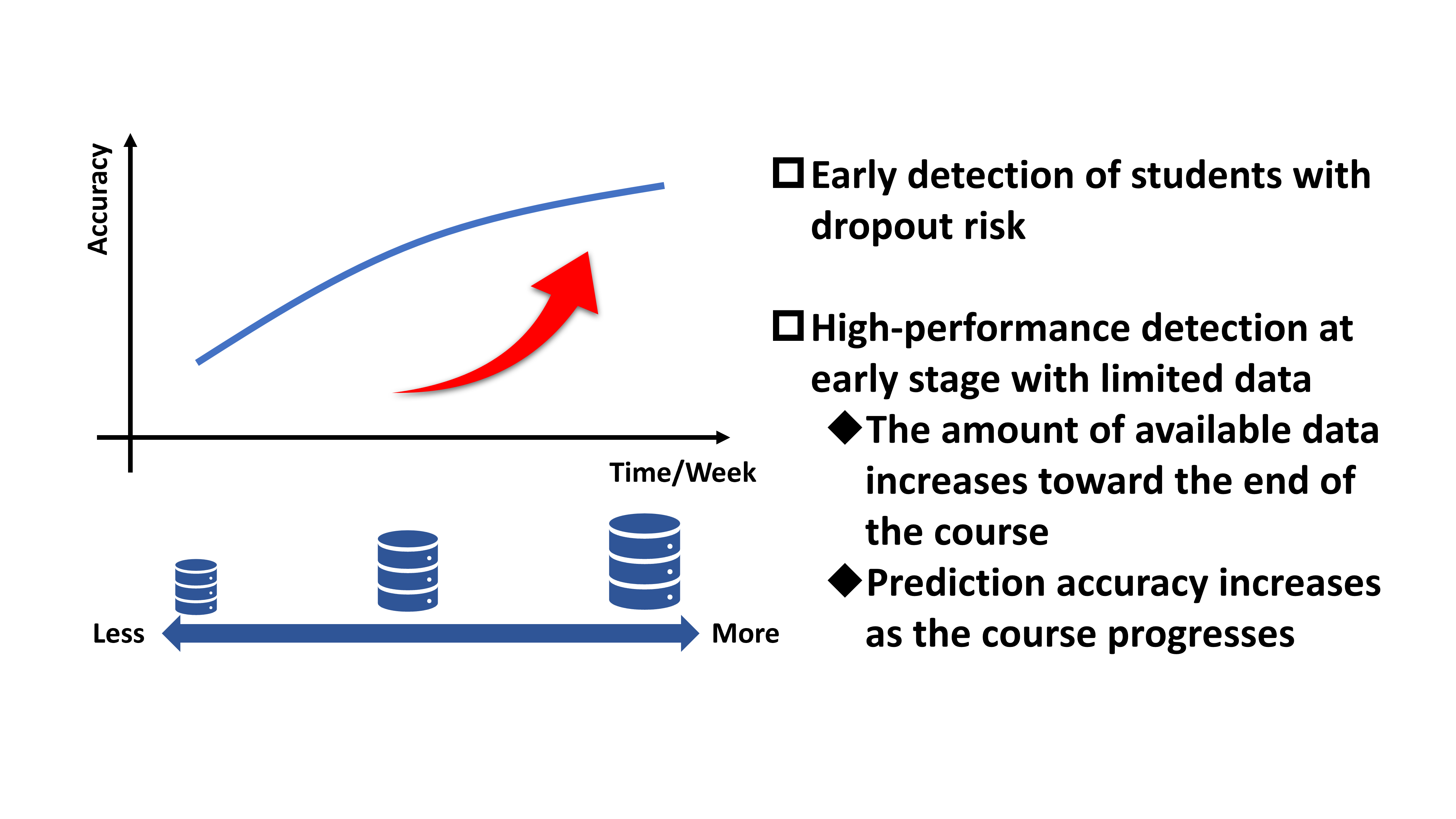
We analyze students' learning activities to identify those at risk of dropout or academic difficulty as early as possible, developing predictive approaches that remain effective even when only limited data are available at the beginning of a course.
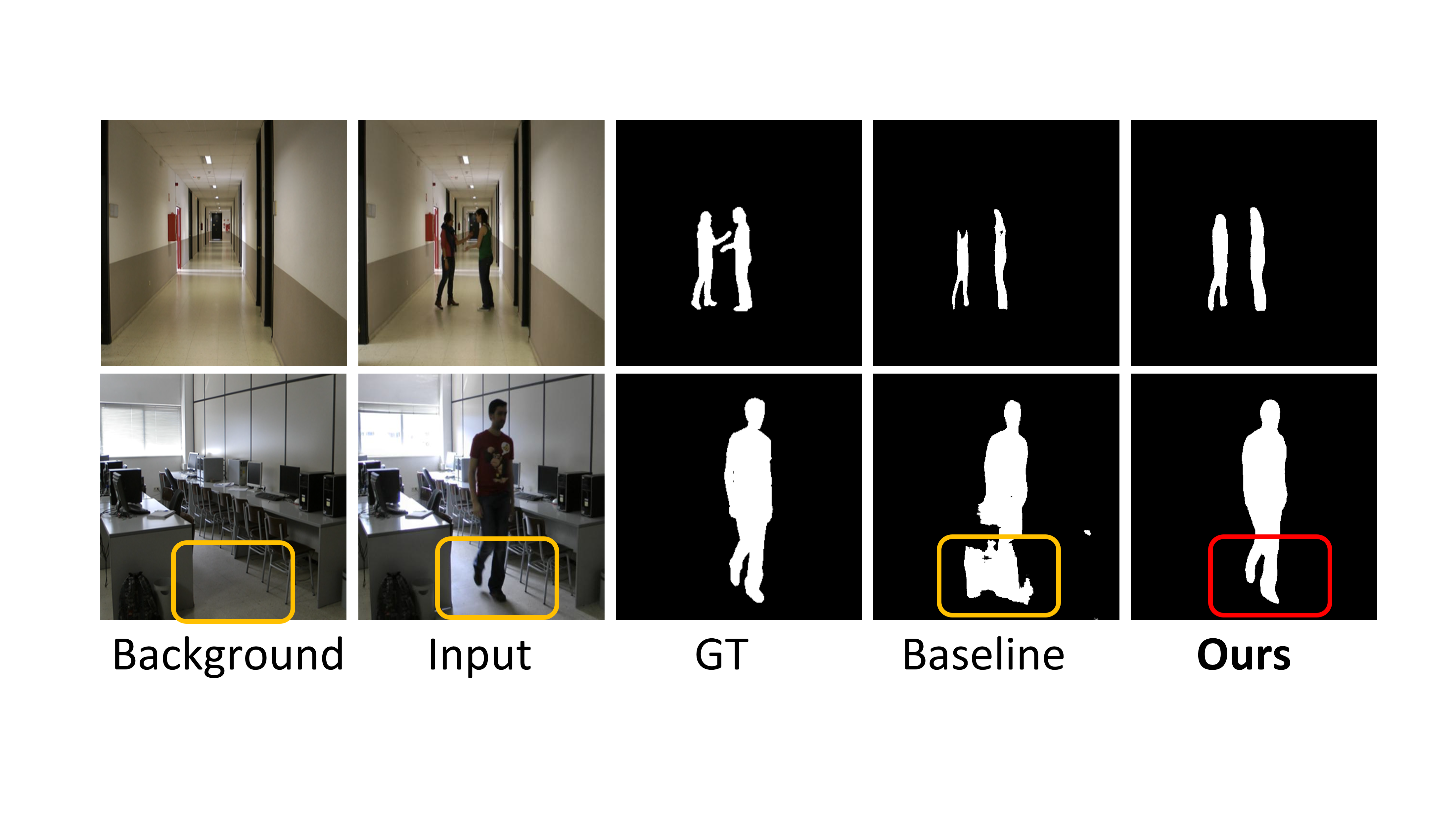
We study change detection and background modeling techniques for accurately separating moving foreground objects from surveillance video, while reducing false detections caused by shadows, illumination changes, and variations in the scene.
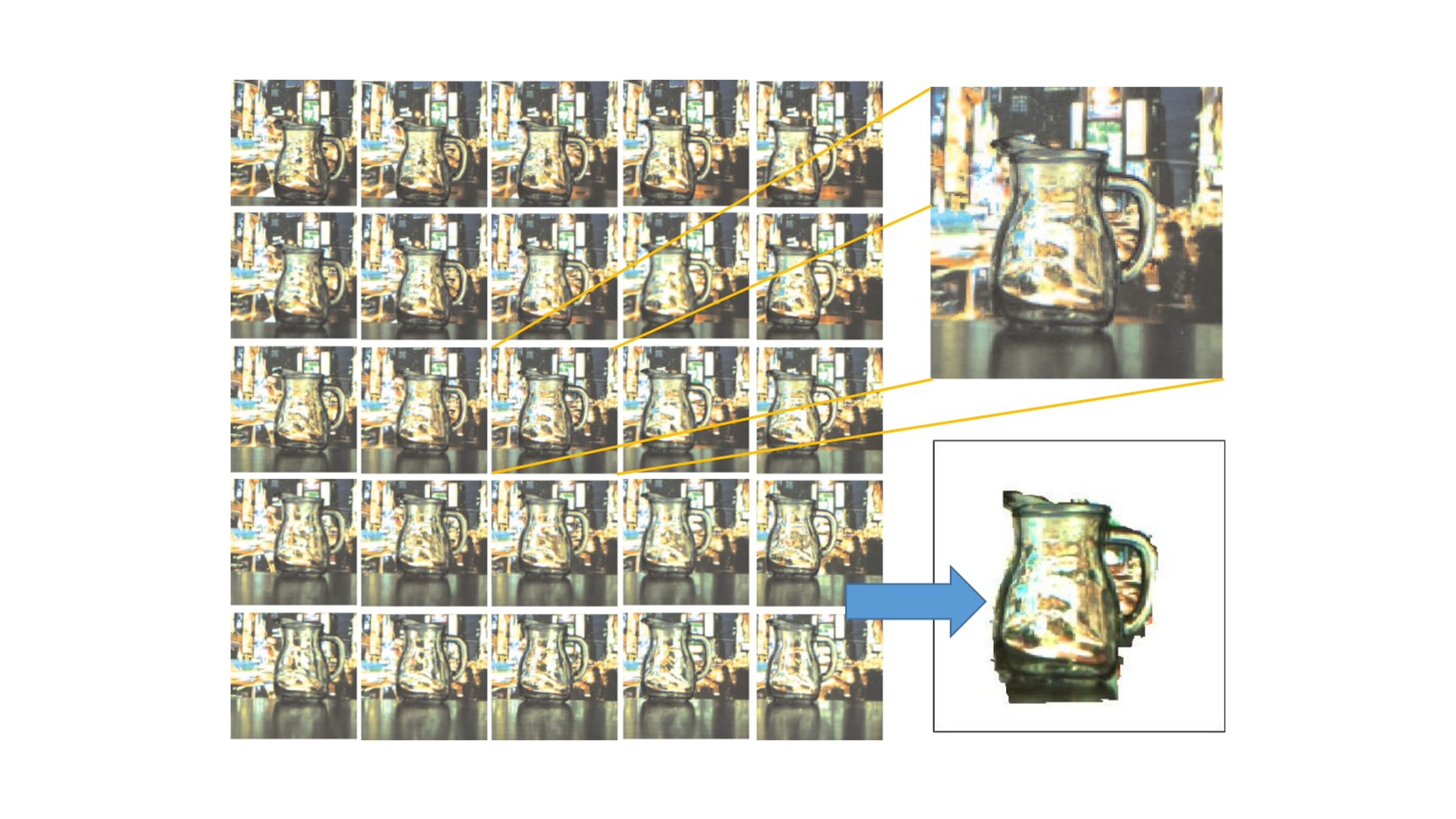
We develop light-field-based methods for segmenting transparent objects that are difficult to distinguish from their surroundings, using multi-view consistency, optical distortion, and occlusion boundaries to separate them accurately from the background.
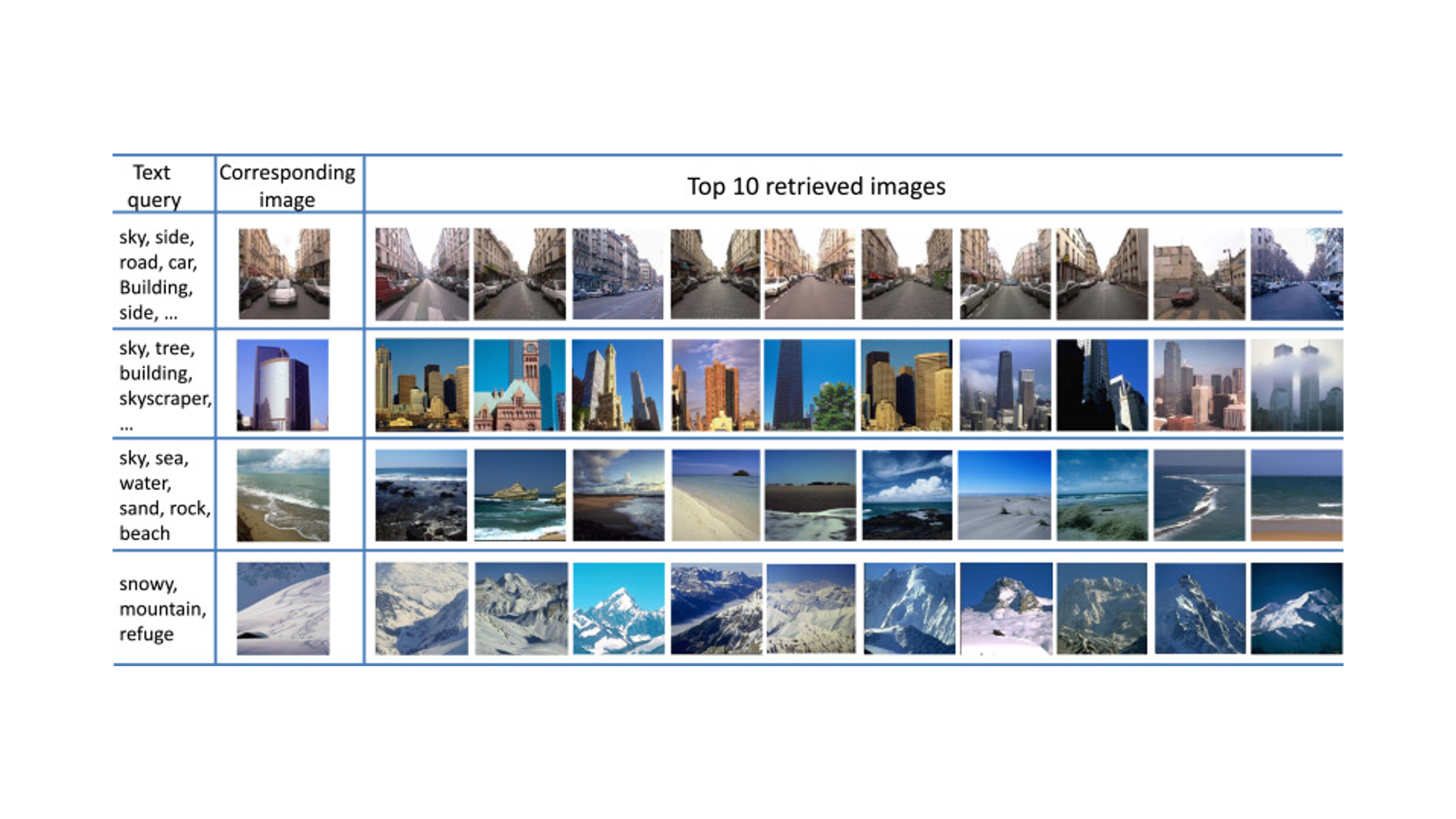
We develop efficient retrieval methods that connect heterogeneous media such as images and text by learning a shared semantic representation and compact binary codes, enabling large-scale searches across different modalities.
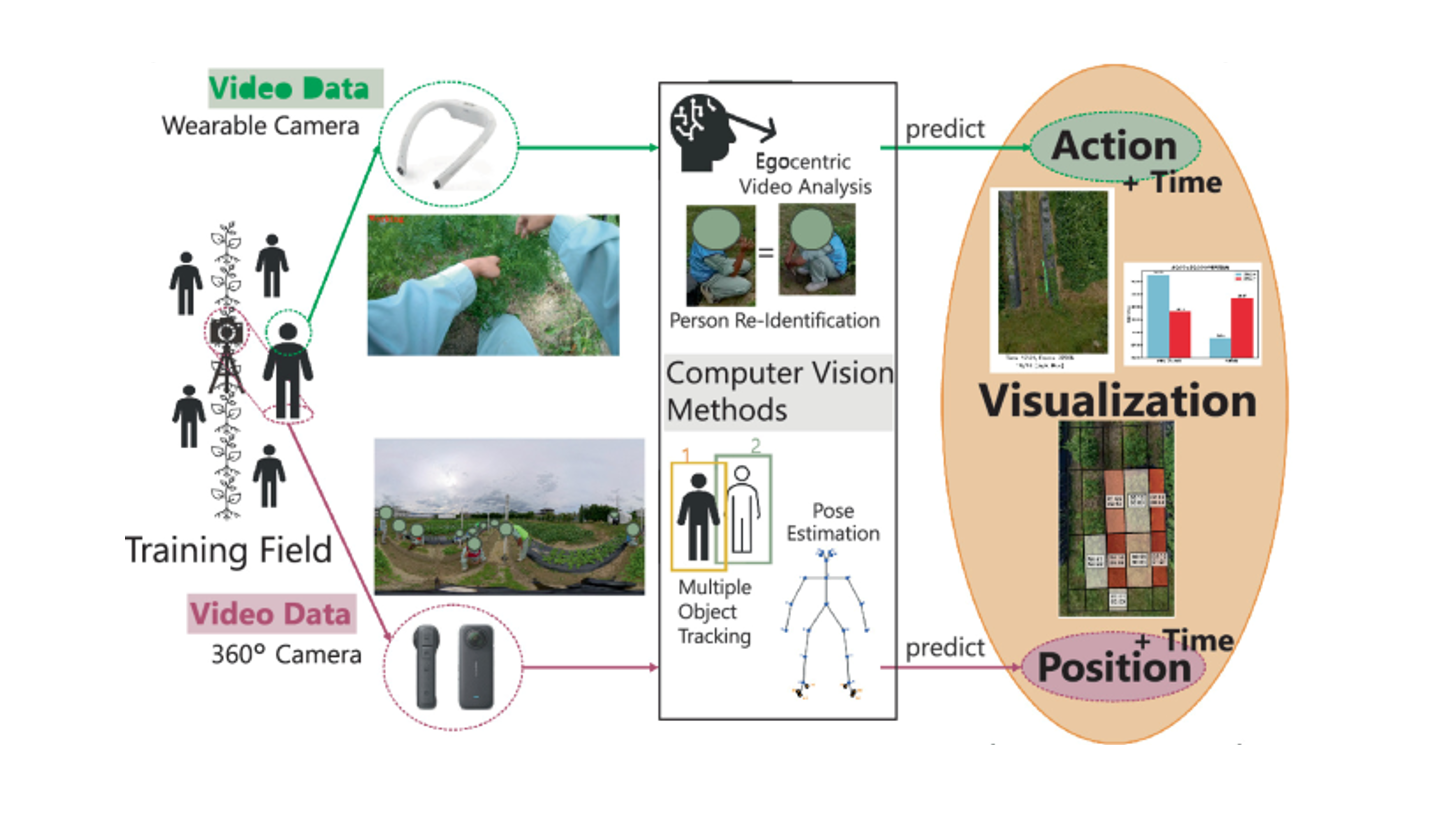
We analyze learners' positions, work activities, and working time during agricultural training using wearable and 360-degree video, and visualize the results to support objective assessment and teachers' reflection on practical instruction.
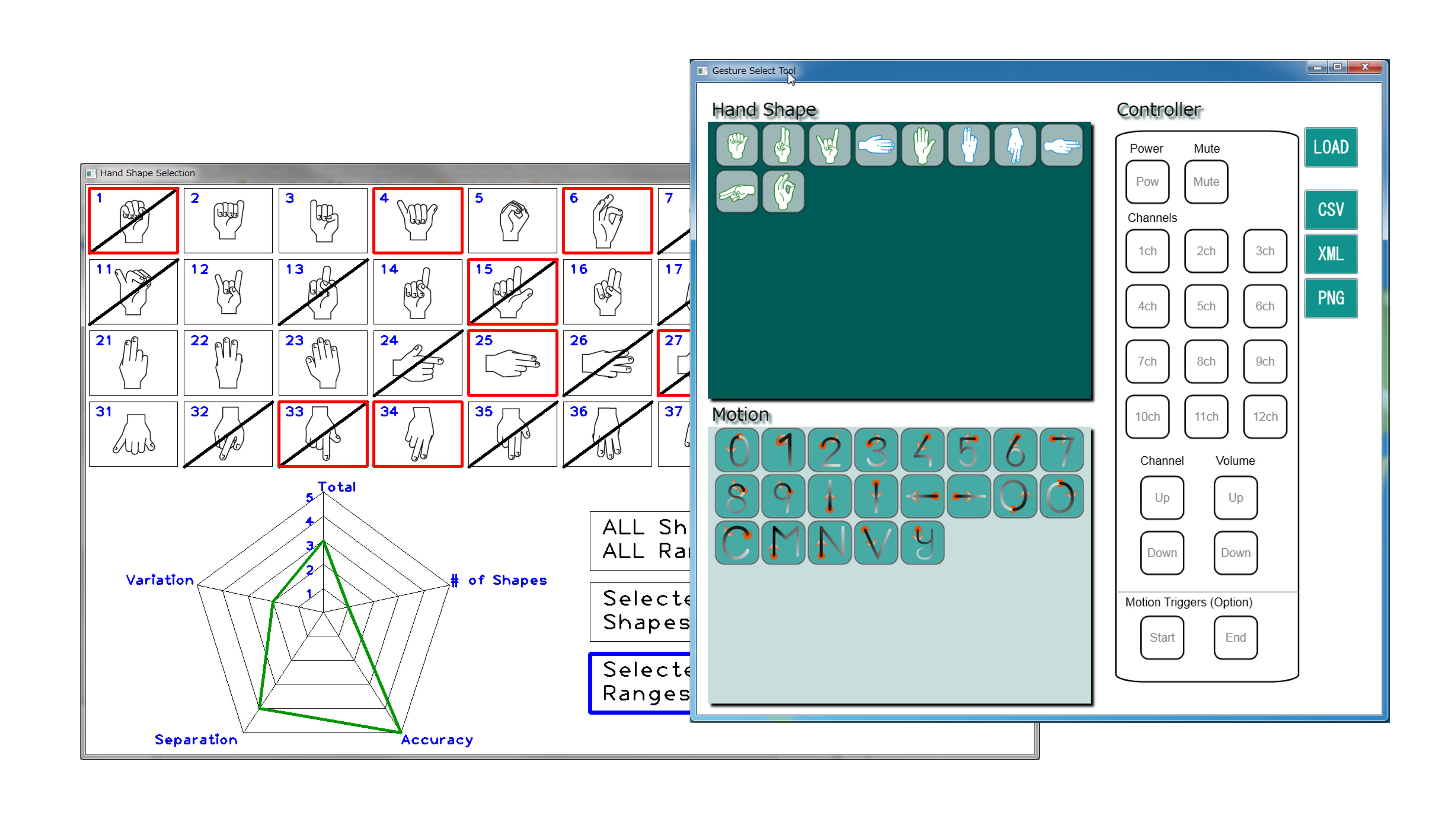
We study how to design hand-gesture interfaces that are intuitive for users and easy for machines to recognize, allowing users to customize control commands by combining suitable hand shapes and motions.
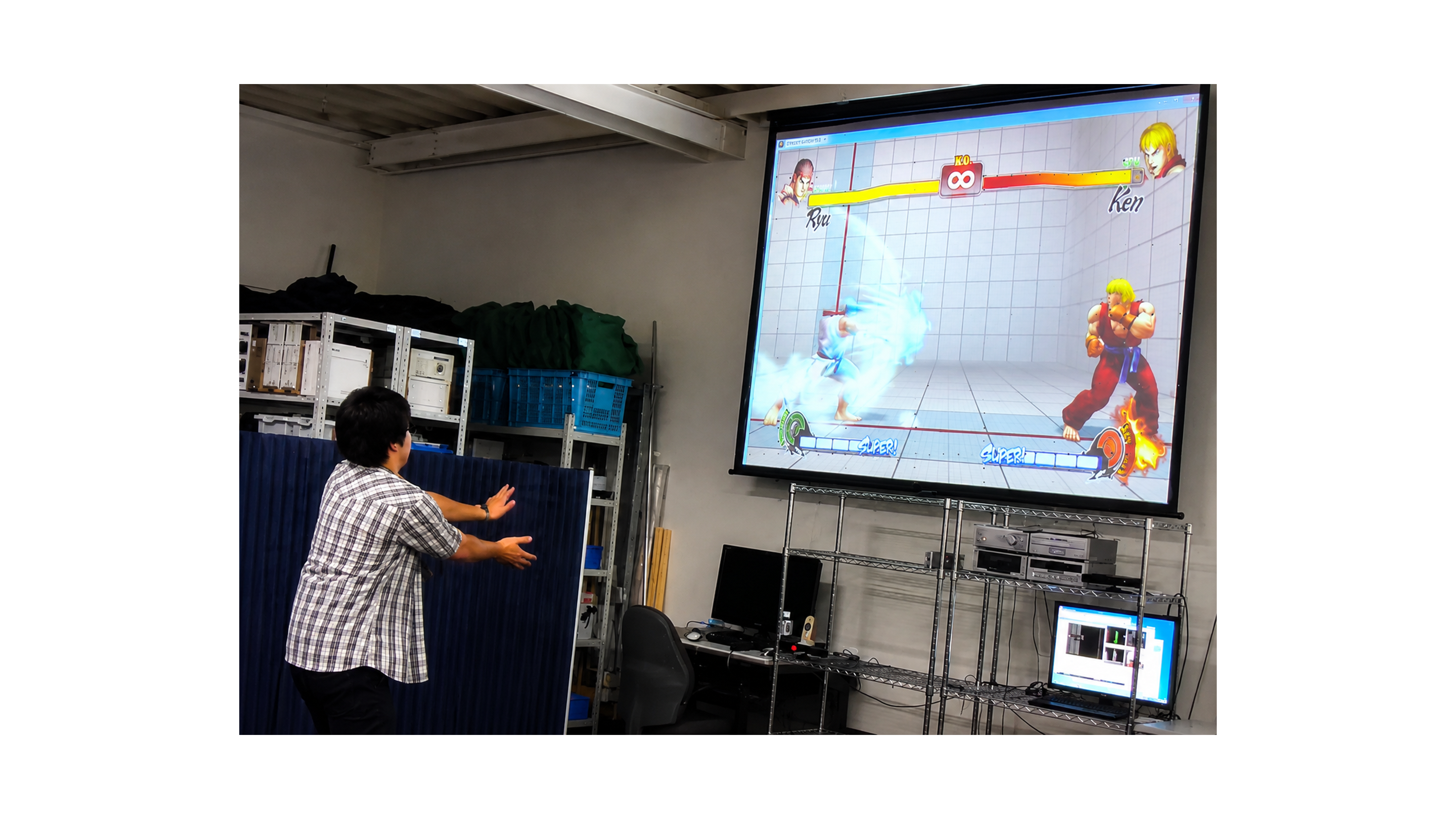
We develop methods that recognize gesture patterns from partial motion observations and determine the intended command before the gesture is completed, enabling responsive human-machine interfaces with reduced interaction delay.
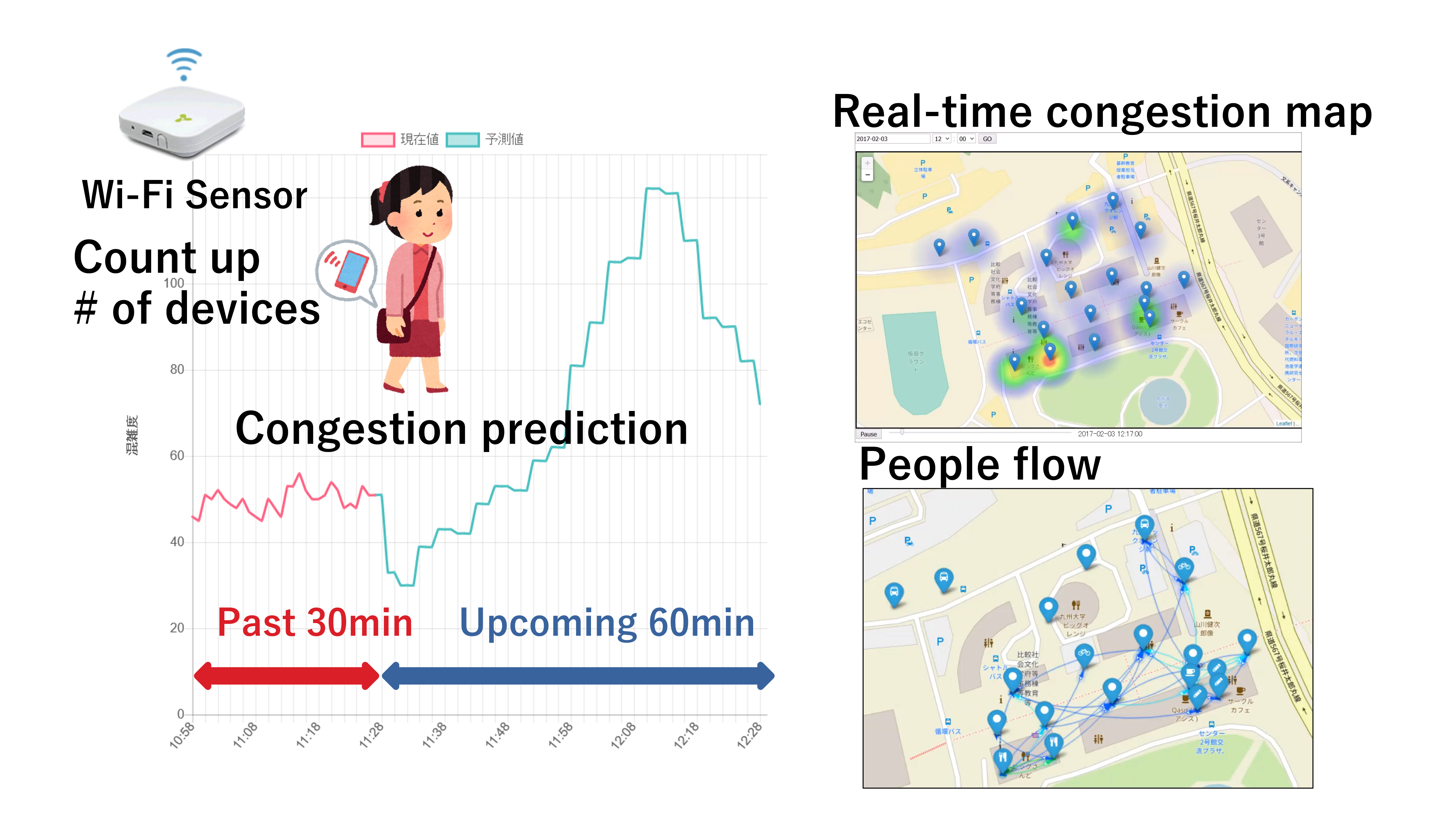
We estimate the number and movement of people from Wi-Fi packet observations, predict future congestion from temporal changes, and visualize the results through real-time congestion maps, people-flow analysis, and AR-based guidance.
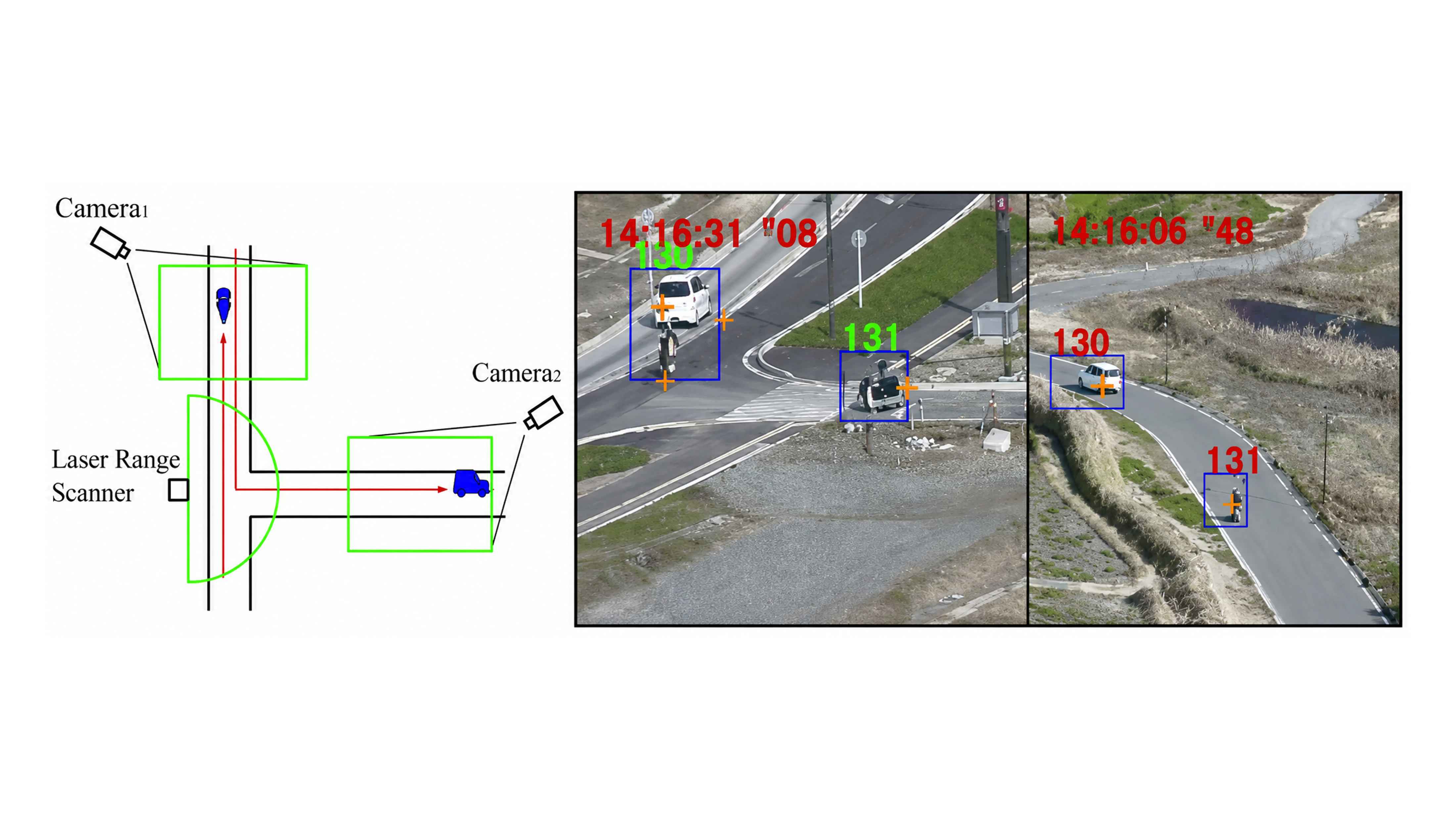
We study wide-area tracking of people and groups across distributed sensors by automatically estimating the connectivity between sensor fields from local tracking results, while also optimizing sensor-to-computer assignments to improve tracking accuracy and balance computational load.
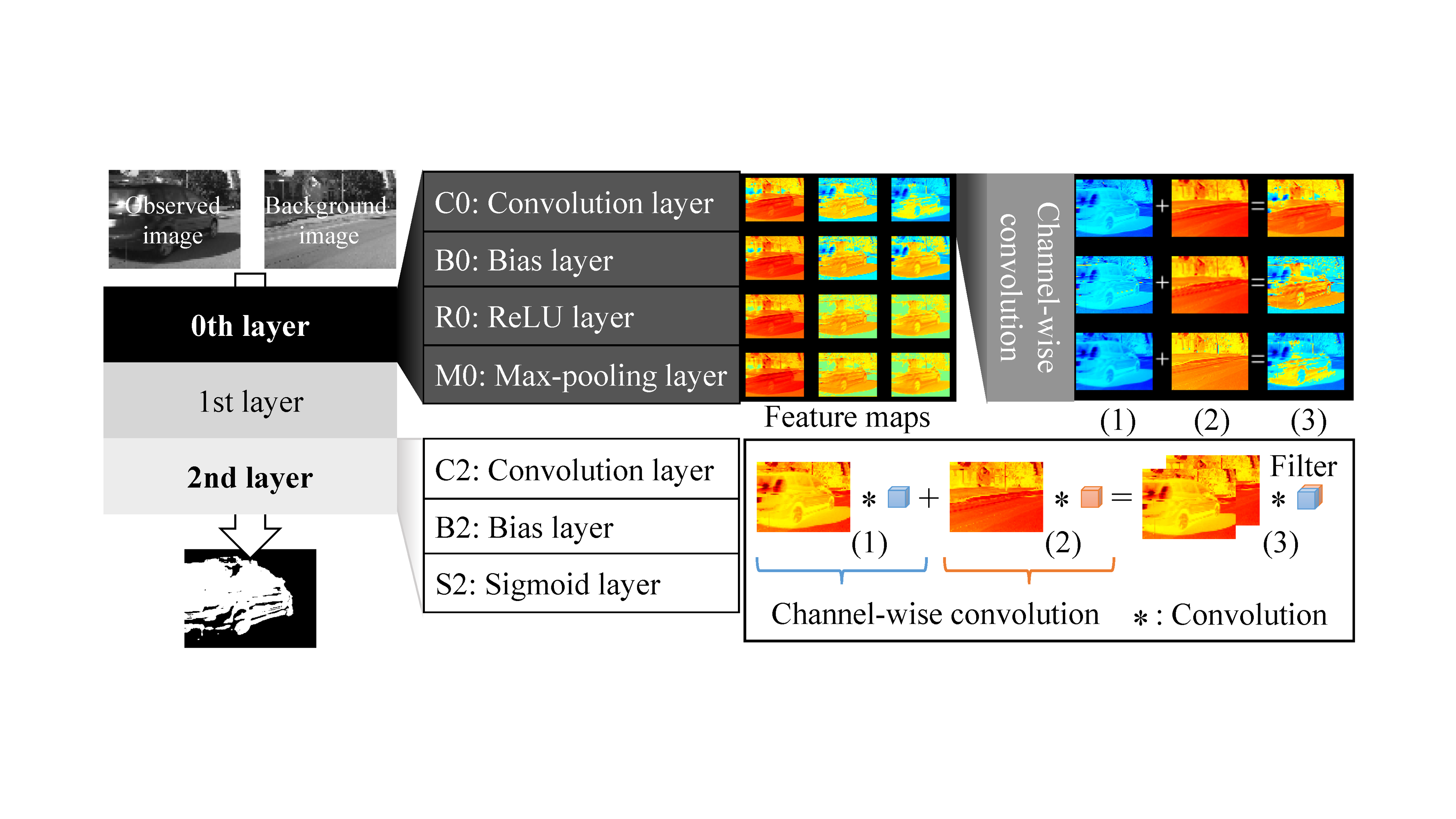
We analyze the internal behavior of deep neural networks for background subtraction by examining feature maps and the effects of individual filters, revealing how convolution, bias, and scene-specific features contribute to accurate change detection.